
Vacation time! We had provisioned for our holiday and the Midsummer weekend at our friends island. After that it was time to head west. It had been a time since we had been to Kökar in the Åland Islands and this time we headed for the guest marina at Sandviken.
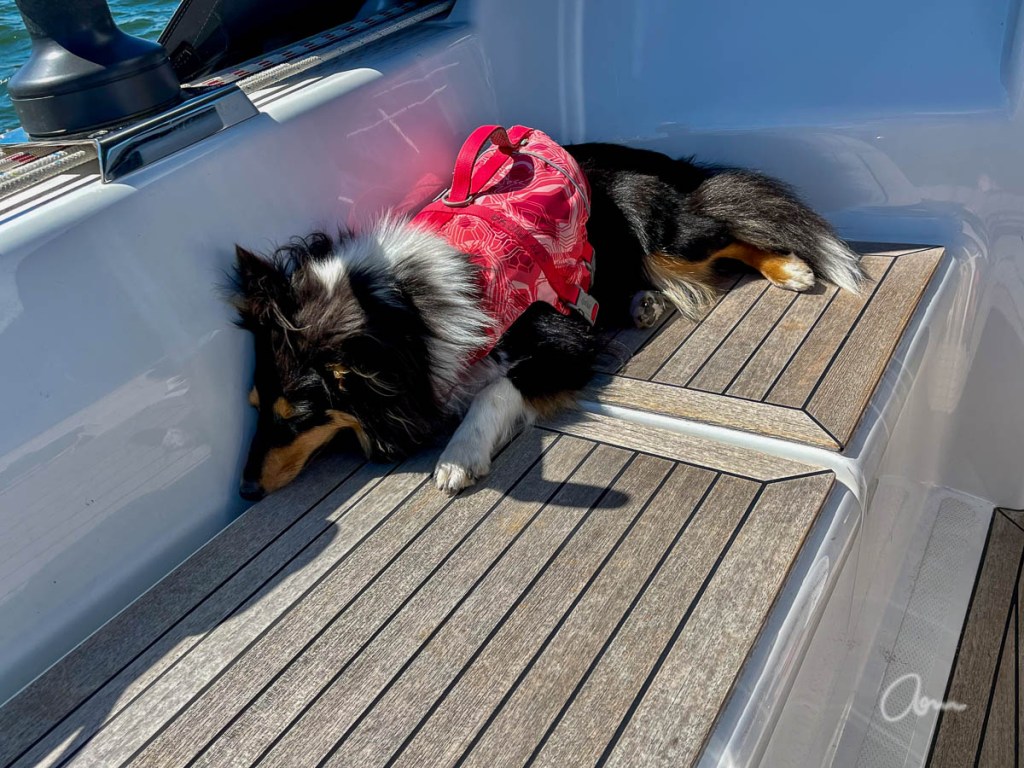
Some of the crew members were more relaxed (or bored) during our sailing day. Somehow finding sheep during our walk to the church perked her up.
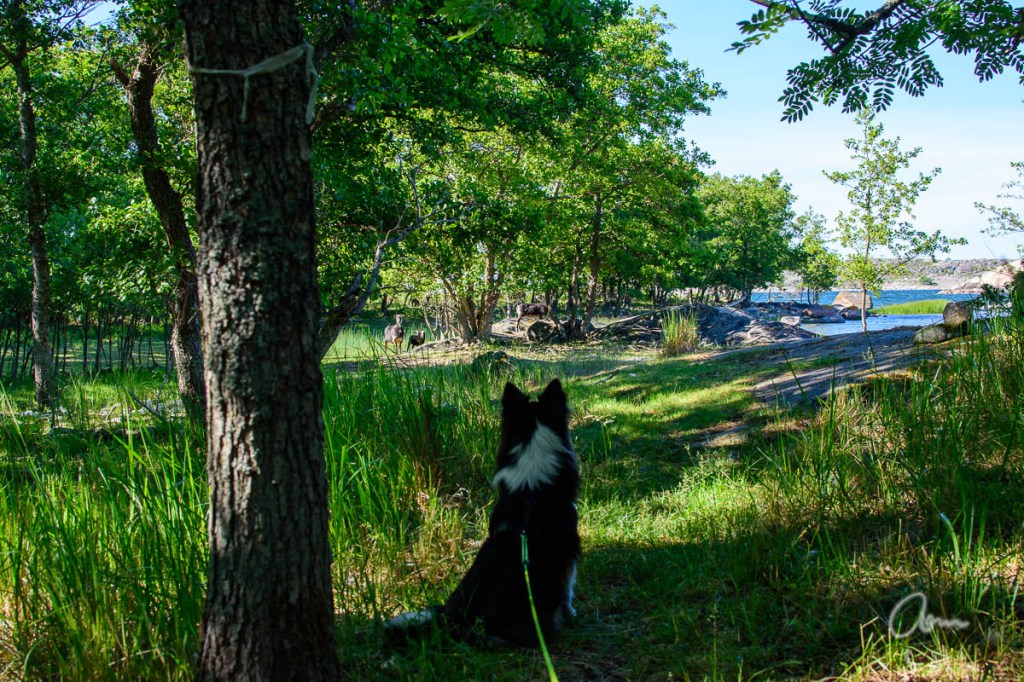
The Monastery Nobody Talks About
Kökar had the only monastery in all of Åland during the Middle Ages. The Franciscans set up shop there, first mentioned in records from 1472, though they were probably around as early as the 13th century. Made sense really – Hamnö was an important harbor, lots of fishing, people coming and going. The island sat right at the crossroads of medieval sailing routes.
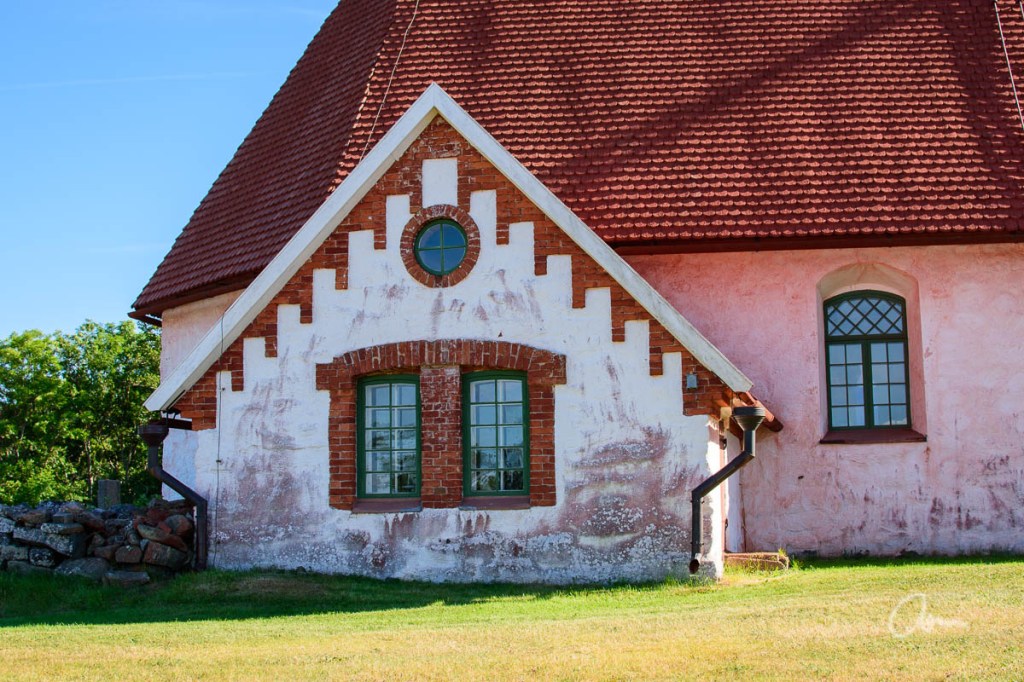
Gustav Vasa shut it all down during the Reformation in the 1530s. The buildings just slowly fell apart after that. You can still see the ruins on Hamnö today, next to the Church of St. Anna from 1784. They actually built parts of that church on the old monastery foundation, used stones from the ruins.
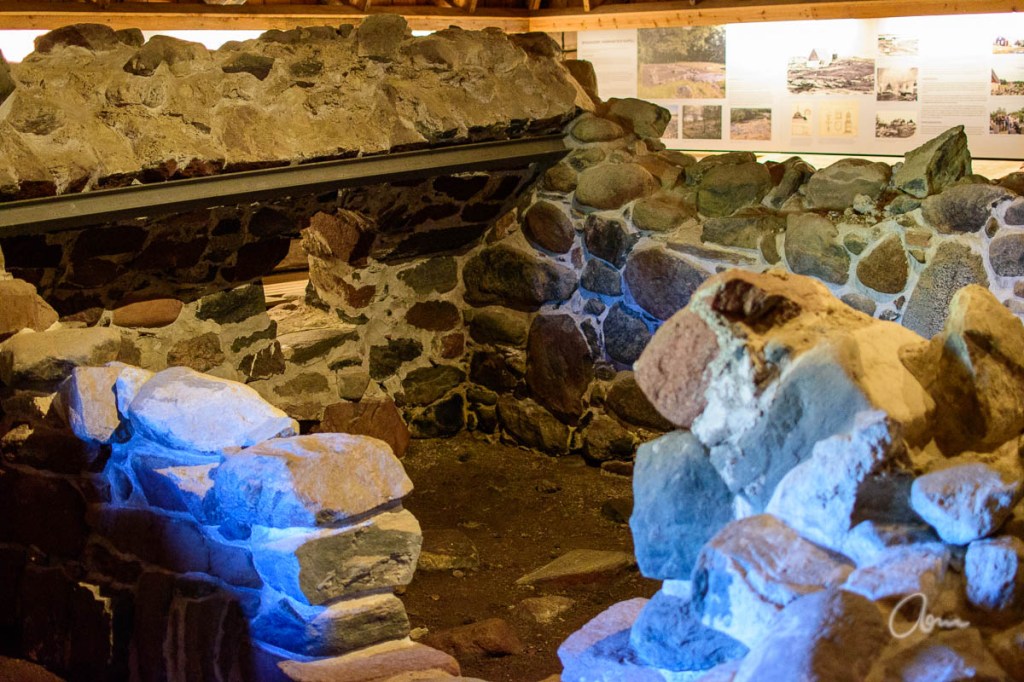
Archaeologists found some interesting stuff when they dug around – over 40 medieval graves, forge remnants, weapons including crossbow arrow heads, a bronze buckle from the crusades era. There’s a small exhibition chapel on the ruins now, open in summer, and a museum nearby.
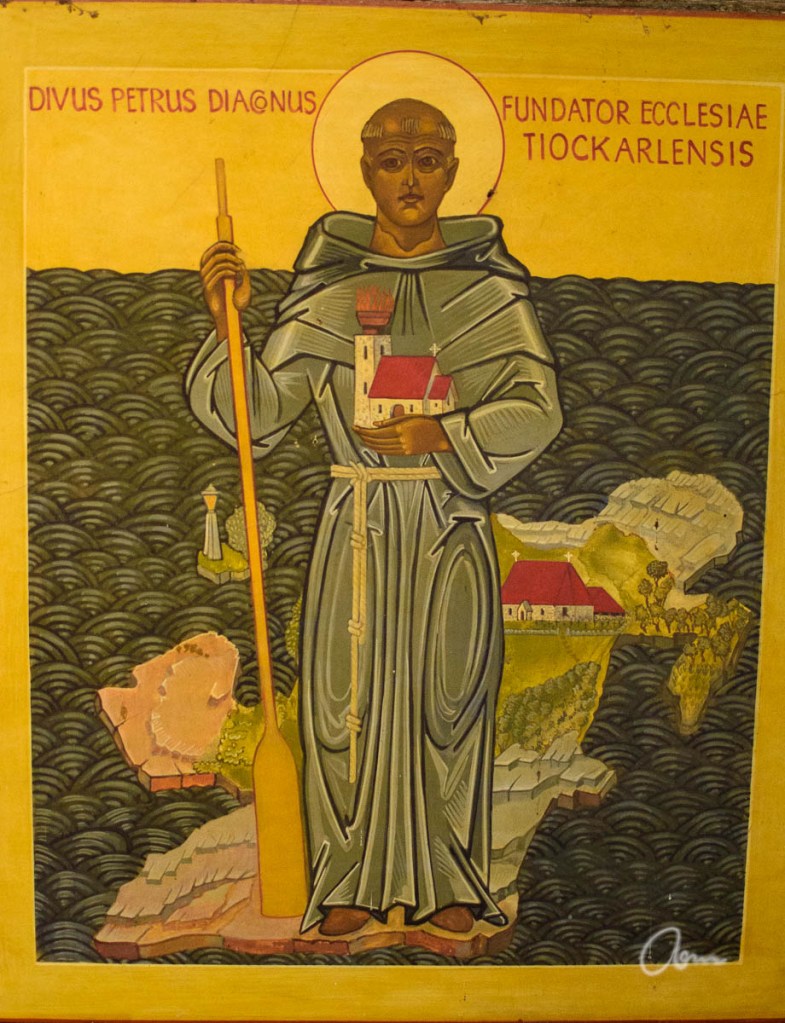
Most of what we know comes from Finnish and Scandinavian historians, not the Franciscan Order themselves. The order got suppressed, records got lost. That’s just how it goes.
Bomarsund
The Russians started building Bomarsund fortress in the Åland Islands back in 1832. The idea was to control the waters between Sweden and Finland, show off their naval power in the Baltic. But they never actually finished it.
In August 1854, during the Crimean War, British and French forces came knocking. After two weeks of bombardment from both sea and land, the fortress fell on August 16. Not exactly Russia’s finest moment.
The battle is remembered for something else, though. On June 21, a live Russian shell landed on the deck of HMS Hecla, fuse still burning. Charles Davis Lucas, a young mate on the ship, just calmly walked over, picked the thing up, and threw it overboard. It exploded in the water. Sometimes you wonder what goes through someone’s head in a moment like that. Because of this, when Queen Victoria created the Victoria Cross in 1856, Lucas got the honor of being the first recipient. He went on to become a Rear-Admiral and lived until 1914.
Russian fortress at Bomarsund. Destroyed by British-French navy. Battle where a heroic deed resulted in the first Naval Victoria cross 21st June 1854
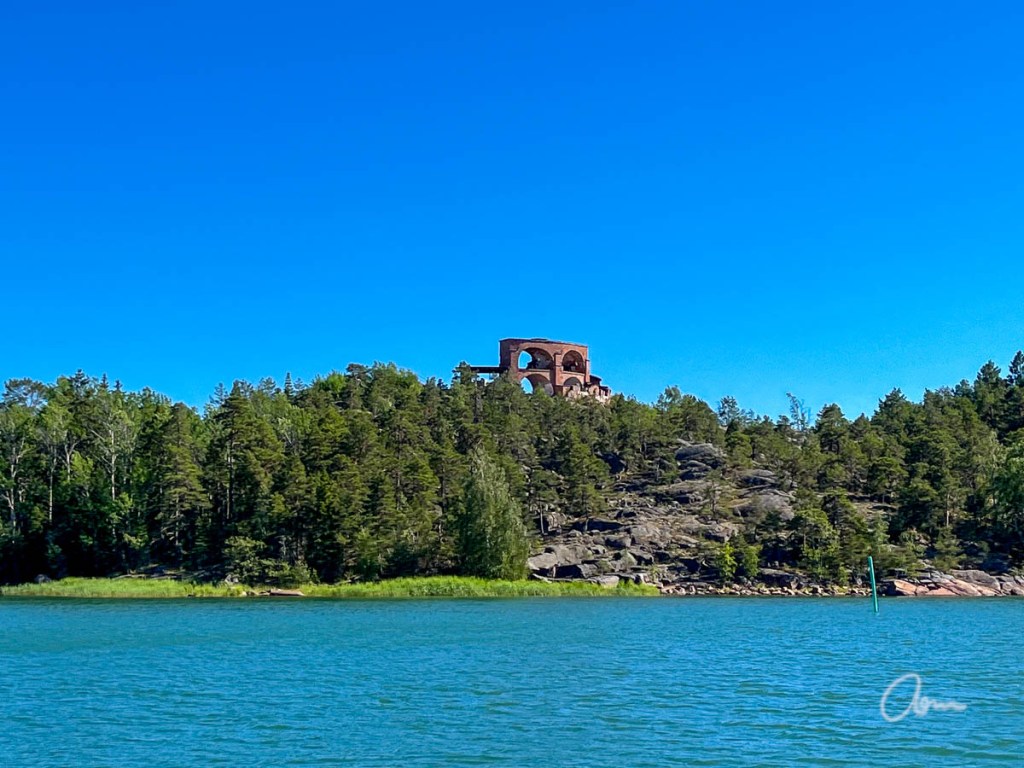
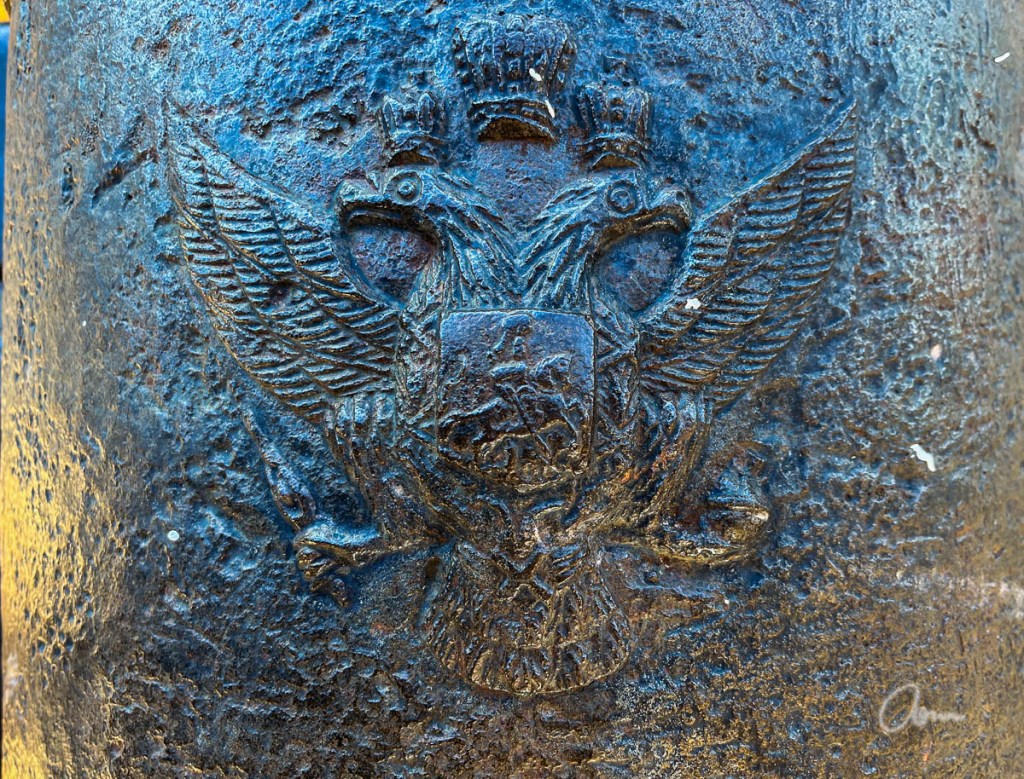
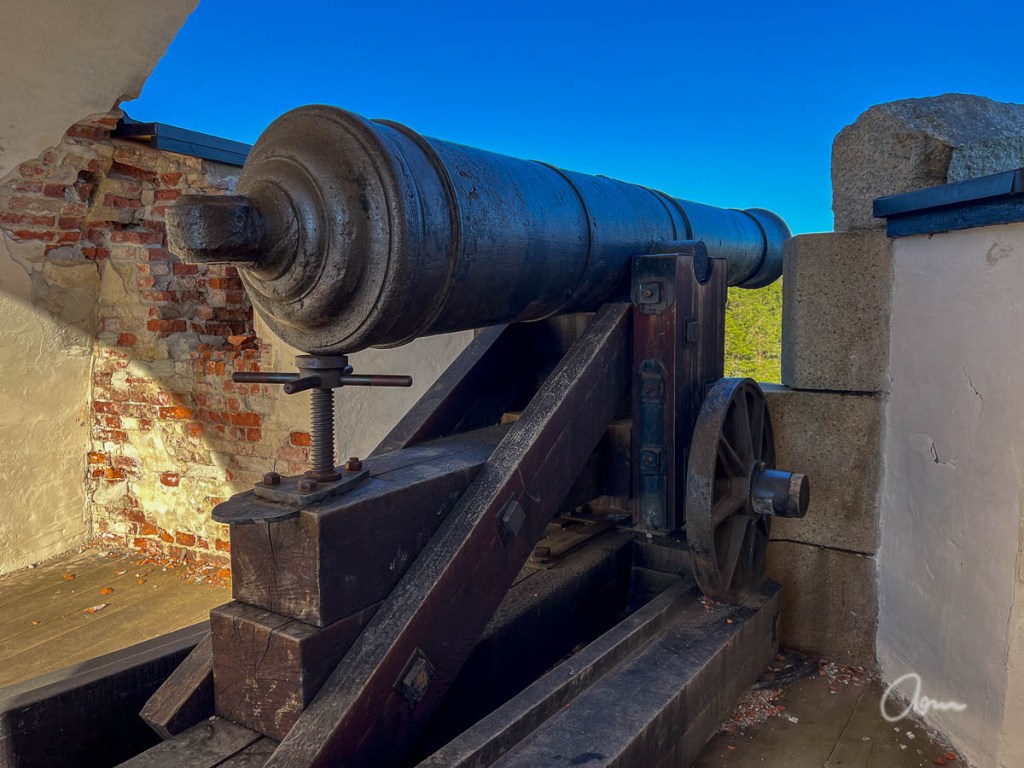
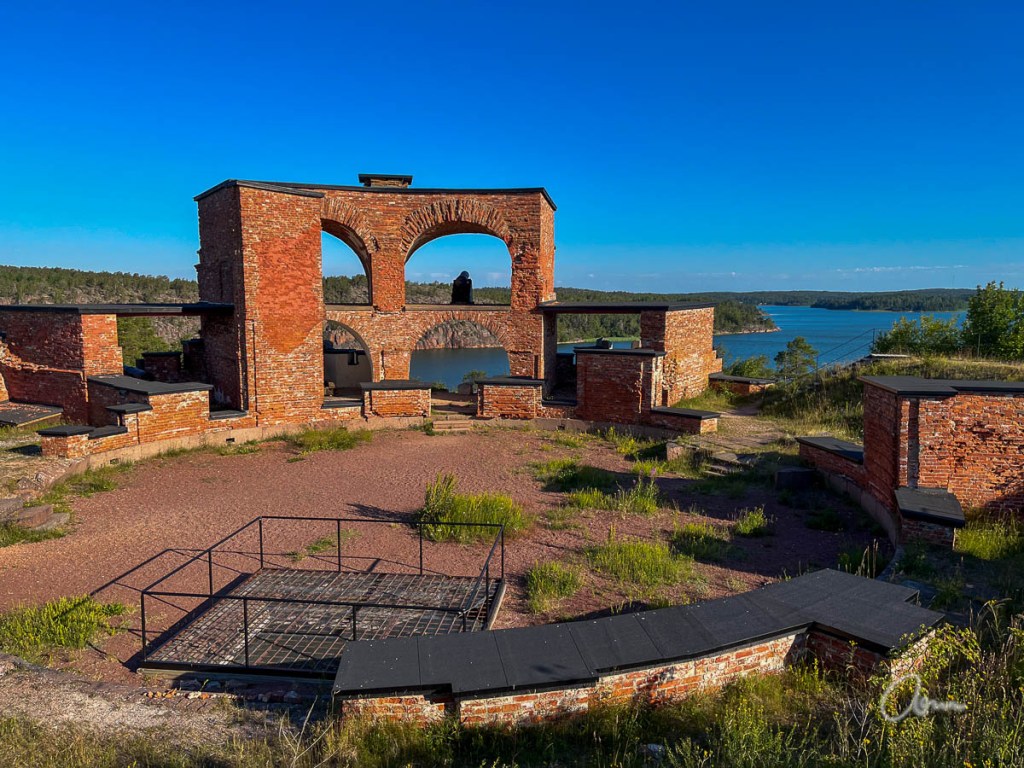
The fortress ruins at Bomarsund and the monastery ruins at Kökar – both reminders of things that didn’t quite work out the way people planned.
What about the parking then? Both marinas are easily accessible both both land and sea as they are multi-use facilities. They have camping grounds, small cottages for rent and the accompanying cooking and bathroom facilities. When arriving by boat, you should be midful of of your depth. Both have buoys suited for keels sticking down up to 2 m, but also some spaces that you need to be shallower. Be sure to check your pilot book. Both marinas are also open to northerly winds, especially Sandviken.
 The joys of life. Sailing. Travel. Food.